
A new school year means busy mornings, packed schedules, homework, sports, extracurricular activities, and plenty of learning. With so much going on, nutrition can sometimes become an afterthought, but what students eat plays an important role in helping them feel energized, focused, and ready to take on the day.
A balanced diet provides the nutrients students need to support growing bodies, maintain steady energy, and stay fueled from the first class to the final activity. While no single food can provide everything the body needs, incorporating a variety of nutrient-rich foods into meals and snacks can make a meaningful difference.
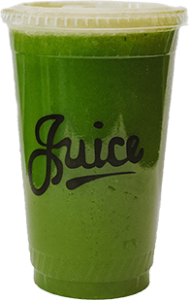
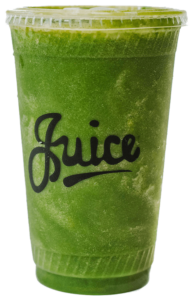
At The Juice House, we believe healthy eating should be both nourishing and enjoyable. From fresh juices and smoothies to nutrient-packed bowls, there are plenty of delicious ways to add more wholesome ingredients to a student’s routine.
1. Protein: Fuel for Growing Bodies
Protein is an essential nutrient for students of all ages. It helps support growth and development and is an important component of muscles, bones, skin, and other tissues. Protein can also make meals and snacks more satisfying, helping students stay fueled between meals.
For busy students, starting the day with a protein-rich breakfast can be especially helpful. Instead of relying solely on sugary breakfast foods, pair nutrient-dense ingredients with a source of protein to create a more balanced meal.
At The Juice House, smoothies can be an easy and delicious option for a busy morning or after-school snack. Depending on the ingredients selected, a smoothie can combine fruits, vegetables, dairy or dairy alternatives, and other nutrient-rich additions in one convenient drink.
JH Tip: Pair a smoothie with a balanced breakfast or snack for a convenient way to help keep students fueled throughout their day.
2. Fiber: Supporting Digestion and Lasting Fullness
Fiber is another important nutrient for students. Found naturally in fruits, vegetables, whole grains, beans, nuts, and seeds, fiber supports healthy digestion and can help meals feel more satisfying.
For students who are constantly on the go, choosing foods that contain fiber can be a smart way to build more balanced meals and snacks. Fruits and vegetables are particularly convenient sources because they can easily be incorporated into smoothies and bowls.
Fiber-rich foods include:
- Berries
- Apples and pears
- Bananas
- Chia seeds
- Flaxseeds
- Oats
- Leafy greens
- Beans and legumes
- Whole grains
This is where colorful produce can make a big difference. Adding fruits and vegetables throughout the day gives students a variety of important nutrients while also increasing their fiber intake.
A Juice House smoothie or bowl packed with fruits and other wholesome ingredients can be a delicious way to make produce a regular part of a student’s routine.
3. Calcium: Building Strong Bones
School-age children and teens are still growing, making calcium an especially important nutrient. Calcium supports strong bones and teeth and plays other important roles in the body.
Dairy products such as milk and yogurt are well-known calcium sources, but they aren’t the only options. Depending on dietary preferences, students can also get calcium from fortified plant-based beverages, certain leafy greens, tofu, and other calcium-rich foods.
A nutrient-rich smoothie can be an easy way to incorporate ingredients that contribute calcium into a student’s day. For families looking for convenient options, choosing a balanced smoothie alongside a meal can help make nutritious choices easier during busy school mornings.
4. Iron: Supporting Energy and Concentration
Iron is essential for making hemoglobin, a protein in red blood cells that helps carry oxygen throughout the body. Students need adequate iron as their bodies grow and develop.
Iron can be found in both animal and plant foods. Meat, poultry, and seafood provide highly absorbable forms of iron, while plant-based sources include beans, lentils, spinach, fortified cereals, nuts, and seeds.
Foods that provide iron include:
- Spinach and other leafy greens
- Beans and lentils
- Nuts and seeds
- Fortified cereals
- Meat and poultry
- Seafood
One helpful nutrition tip is to pair plant sources of iron with foods containing vitamin C. Vitamin C can help improve the body’s absorption of non-heme iron, the type found in plant foods.
That’s another reason colorful fruits and vegetables are such valuable additions to meals and snacks. Citrus fruits, strawberries, kiwi, and other vitamin-C-rich produce can complement a variety of foods while adding natural flavor and nutrition.
5. Healthy Fats: Supporting Brain and Overall Health
Not all fats are created equal. Healthy unsaturated fats are an important part of a balanced diet and provide energy while helping the body absorb certain fat-soluble vitamins.
Foods containing healthy fats can be especially useful as part of satisfying meals and snacks. Nuts, seeds, nut butters, avocado, and certain fish are examples of foods that provide beneficial unsaturated fats.
Healthy fat sources include:
- Avocado
- Almonds and other nuts
- Nut butters
- Chia seeds
- Flaxseeds
- Pumpkin seeds
- Fatty fish such as salmon
Adding ingredients such as nut butters, seeds, or avocado to meals and snacks can increase both flavor and nutritional value.
At The Juice House, our bowls and smoothies combine fruits and other wholesome ingredients with nutritious toppings or additions, making it easier to create something that’s both delicious and satisfying.
Make Nutrition Part of the School Routine
The key to supporting students throughout the school year isn’t about creating a “perfect” diet. It’s about building consistent habits and offering a variety of nutritious foods.
A simple school-day routine might look like:
Breakfast: Start with a balanced meal that includes protein, fiber, and healthy fats.
Midday: Choose a lunch that combines protein, vegetables or fruit, whole grains, and other nutrient-rich foods.
After school: Reach for a satisfying snack, such as a smoothie or fruit-and-yogurt combination, especially before sports or extracurricular activities.
Throughout the day: Encourage regular hydration and a variety of colorful fruits and vegetables.
Small choices can add up. When nutritious foods are convenient, flavorful, and enjoyable, students are more likely to make them part of their everyday routine.
Nourish Their School Year with The Juice House
From early morning classes to after-school practices, students have plenty to keep them busy. The right foods can help make sure nutrition doesn’t get pushed to the side.
At The Juice House, we’re all about making wholesome choices delicious, colorful, and convenient. Whether you’re looking for a refreshing juice, a satisfying smoothie, or a nutrient-packed bowl, there’s something to help you add more fruits and vegetables to your routine.
Ready to fuel the school year? Stop by The Juice House and find your next favorite smoothie, juice, or bowl. Visit one of our locations or order online today!